
Health

Top Stories
Oct 31 2016
Massive cyberattack the result of malware-infected IoT devices
Oct 31 2016
Cibulkova upsets Kerber to win WTA Finals title
Oct 30 2016
Giroud's 1st Arsenal goals of season add to Sunderland woes
Oct 30 2016
U.S. Doesnt Know Who Will Attack ISIS HQ
Oct 30 2016
Leicester's stars a different class in Europe
Latest News
-
Oct 31 2016
Girl, Please: Melania Trump Blames Billy Bush For Donald Trump's P***y Comments -

Oct 31 2016
Indian soldiers killed along disputed Kashmir frontier -
Oct 31 2016
Emre Can believes a point against United doesn't do his side justice -
Oct 31 2016
Cooler today, screaming hot on Halloween -
Oct 31 2016
Windows 10 Creators Update coming early 2017 -
Oct 31 2016
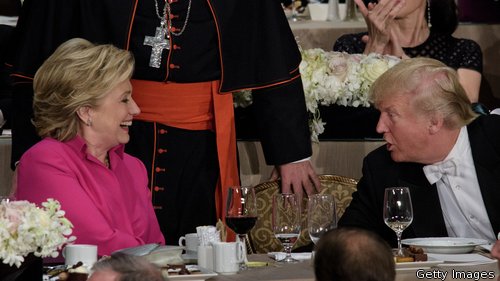
Donald Trump Gets Booed at the Annual Al Smith Dinner -
Oct 31 2016
Sanders urges government to kill AT&T-Time; Warner merger -
Oct 30 2016
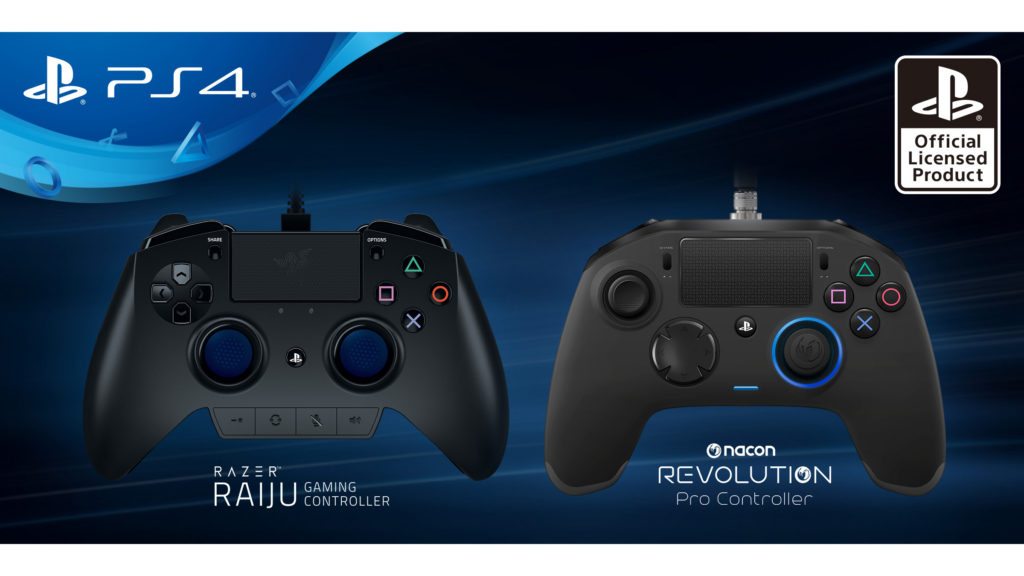
Sony Announces 2 Licensed 'Elite' PS4 Controllers From Razer, Nacon -
Oct 30 2016
Arrestor beds help prevent disaster on Pence's campaign jet -

Oct 30 2016
Qualcomm acquires NXP Semiconductor in a cash deal worth $47 billion
Other News
-
Oct 31 2016
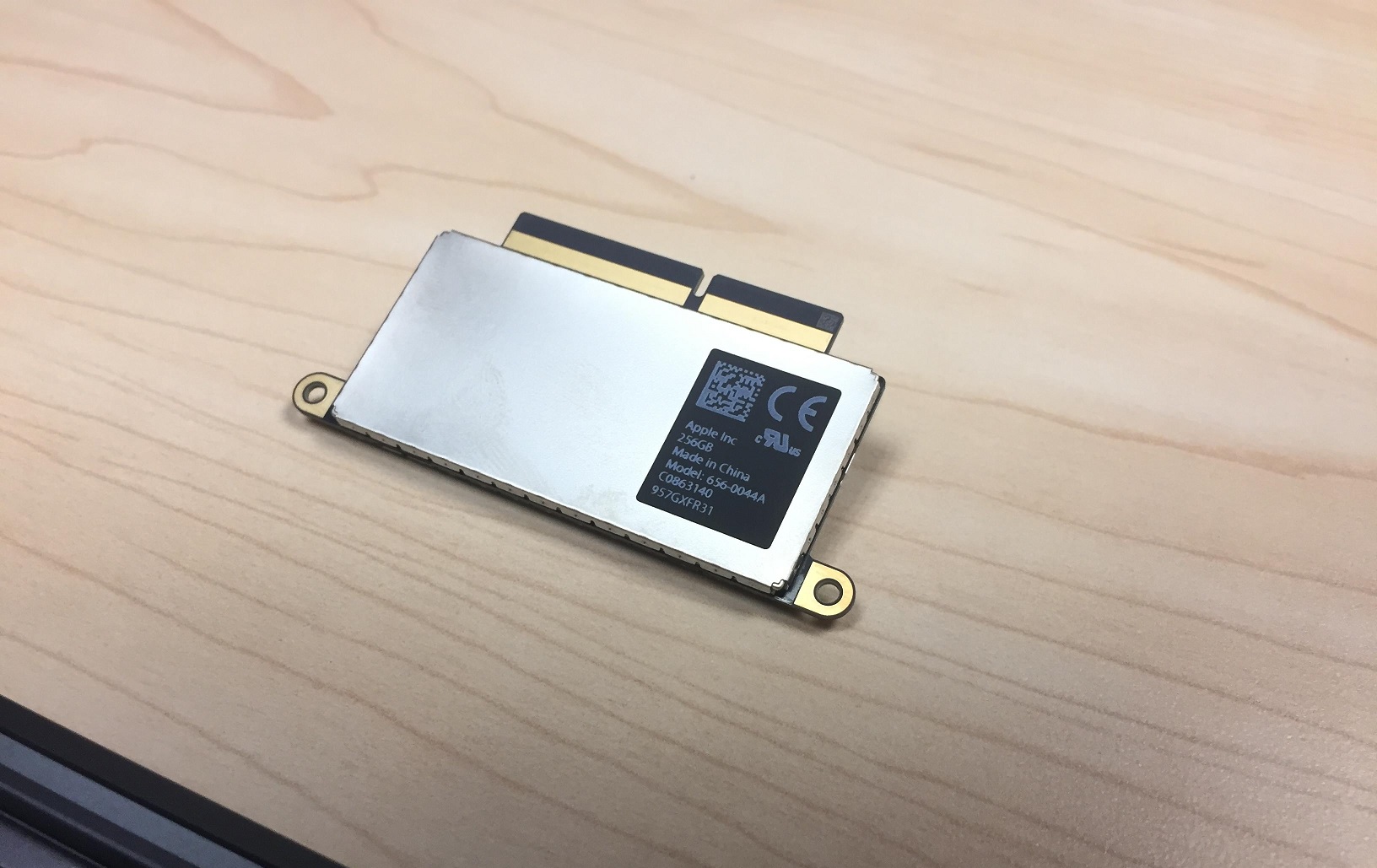
MacBook Pro 2016: Good Buy Or Overpriced? -
Oct 31 2016
Marin Cilic advances to Swiss Indoors quarterfinals -
Oct 31 2016
Ozil or Sanchez? Arsenal fans can not make their minds up -
Oct 31 2016
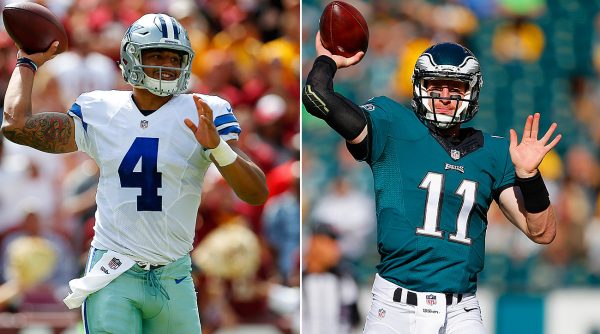
National Football League interviews Ezekiel Elliott as part of domestic violence probe -
Oct 31 2016
Rudolph powers Oklahoma State past No. 10 West Virginia -
Oct 31 2016
Clemson holds on in wild affair, tops Florida State 37-34 -
Oct 31 2016
Sir Alex Ferguson still 'the boss' for Burnley goalkeeper Tom Heaton -
Oct 30 2016
Syrian rebels announce new offensive to break Aleppo siege -
Oct 30 2016
United States judge approves Volkswagen emissions settlement -
Oct 30 2016
Celtic into cup final after late Dembele strike sinks Rangers -
Oct 30 2016
Tesla chief Elon Musk unveils solar roof tiles -

Oct 30 2016
Donald Trump's Walk of Fame Star Destroyed