
Technology
Top Stories
Oct 01 2016
FBI director: Hackers 'poking around' voter systems
Oct 01 2016
Clinton visits Iowa as early voting gets underway
Oct 01 2016
Lady Gaga will perform during Super Bowl halftime show
Sep 30 2016
Indian politicians unconvinced over surgical strike briefing
Sep 30 2016
Allo, Google's Intelligent Messaging App, is Set To Be Launched This Week
Latest News
-
Oct 02 2016
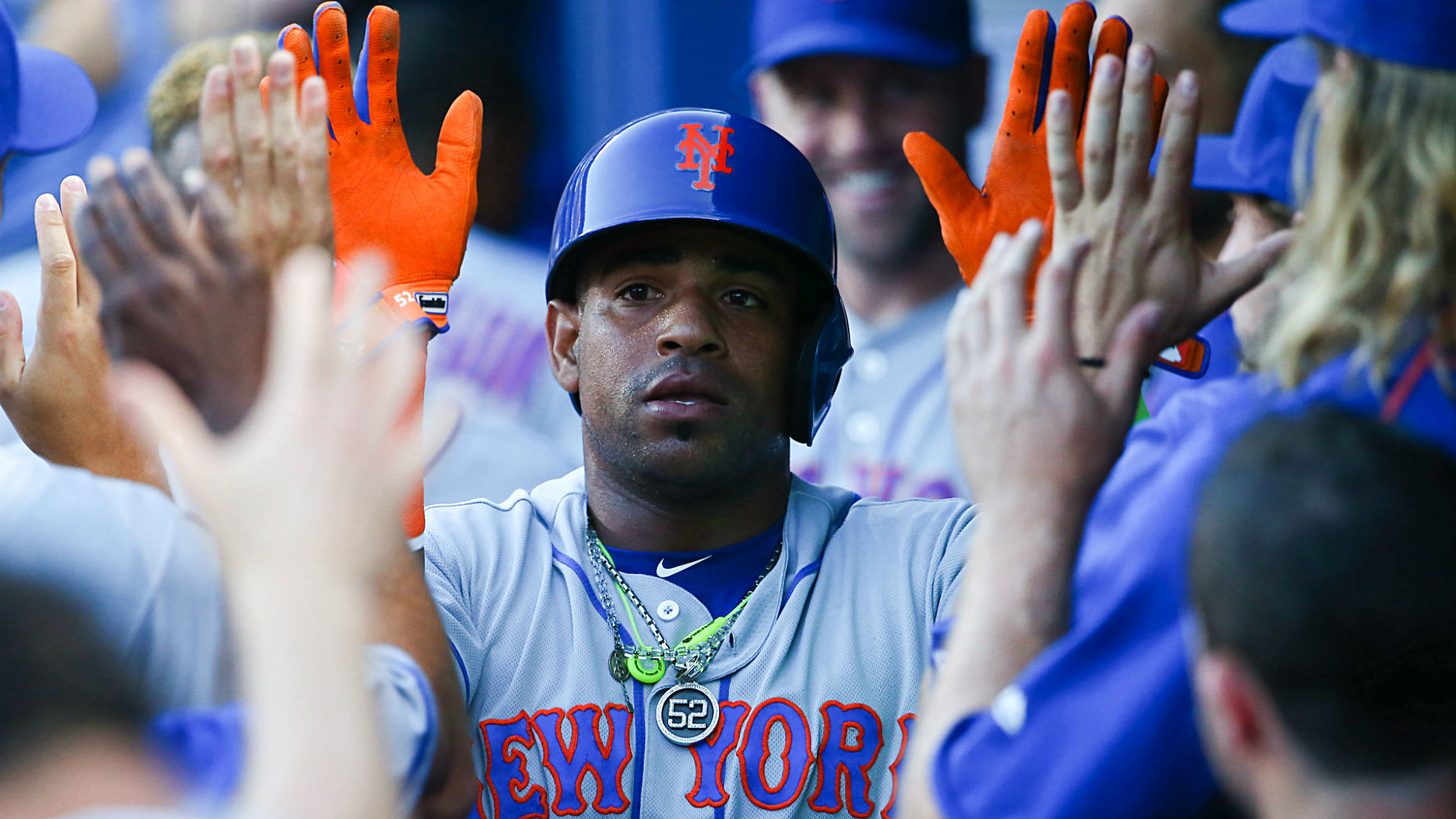
Bruce, Gsellman move Mets closer to playoff spot, beat Phils -
Oct 01 2016
Premier League Preview and Prediction: Tottenham Hotspur vs Manchester City -

Oct 01 2016
Conte Reveals Mikel Injury, Rules Terry Out Vs Hull -
Oct 01 2016
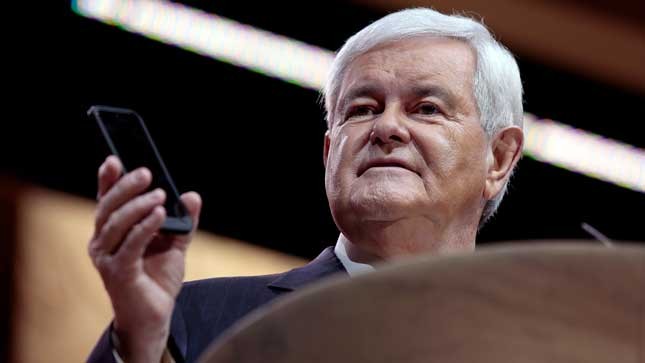
Twitter storm: Trump shames former-beauty pageant winner -
Oct 01 2016
Global stocks lower on renewed worries about banking sector -
Oct 01 2016
Like father, like son: uncapped Josh Beaumont in England squad -
Oct 01 2016
Blake Lively Gives Birth -
Oct 01 2016
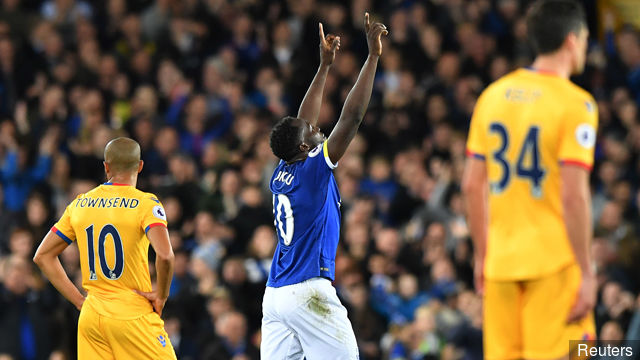
Everton miss chance to move second after being held by Crystal Palace -
Sep 30 2016
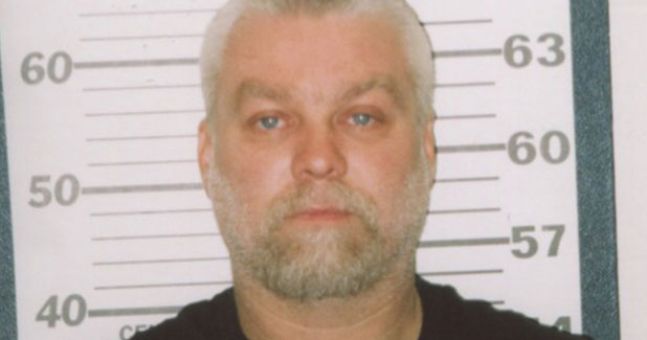
'Making A Murderer's Steven Avery & His Fiancée Sit D… -

Sep 30 2016
Common prescription painkillers linked to increased risk of heart failure
Other News
-
Oct 02 2016
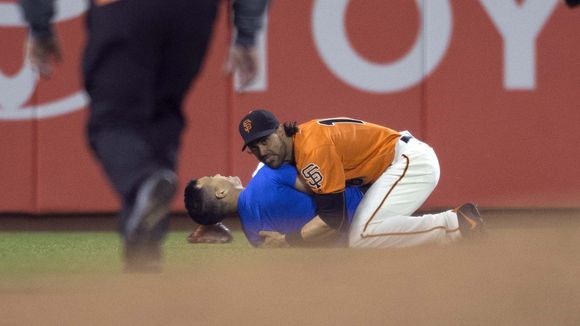
Blach outpitches Kershaw, Giants hold wild-card lead, top LA -
Oct 02 2016
Alabama justice 'urged defiance, not compliance' -
Oct 01 2016
Sportsnet broadcast throws shade at Team Europe's style of play -

Oct 01 2016
Duterte cites Hitler, wants to kill millions of addicts -
Oct 01 2016
York Dems condemn Trump campaign ahead of Pence rally -

Oct 01 2016
Pakistani artists banned in India by IMPA: This is how celebrities reacted -
Oct 01 2016
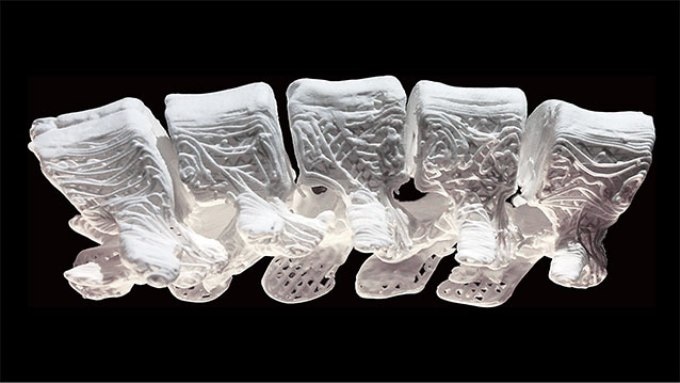
3D-printed 'elastic' bones could heal fractures and revolutionise reconstructive surgery -
Oct 01 2016
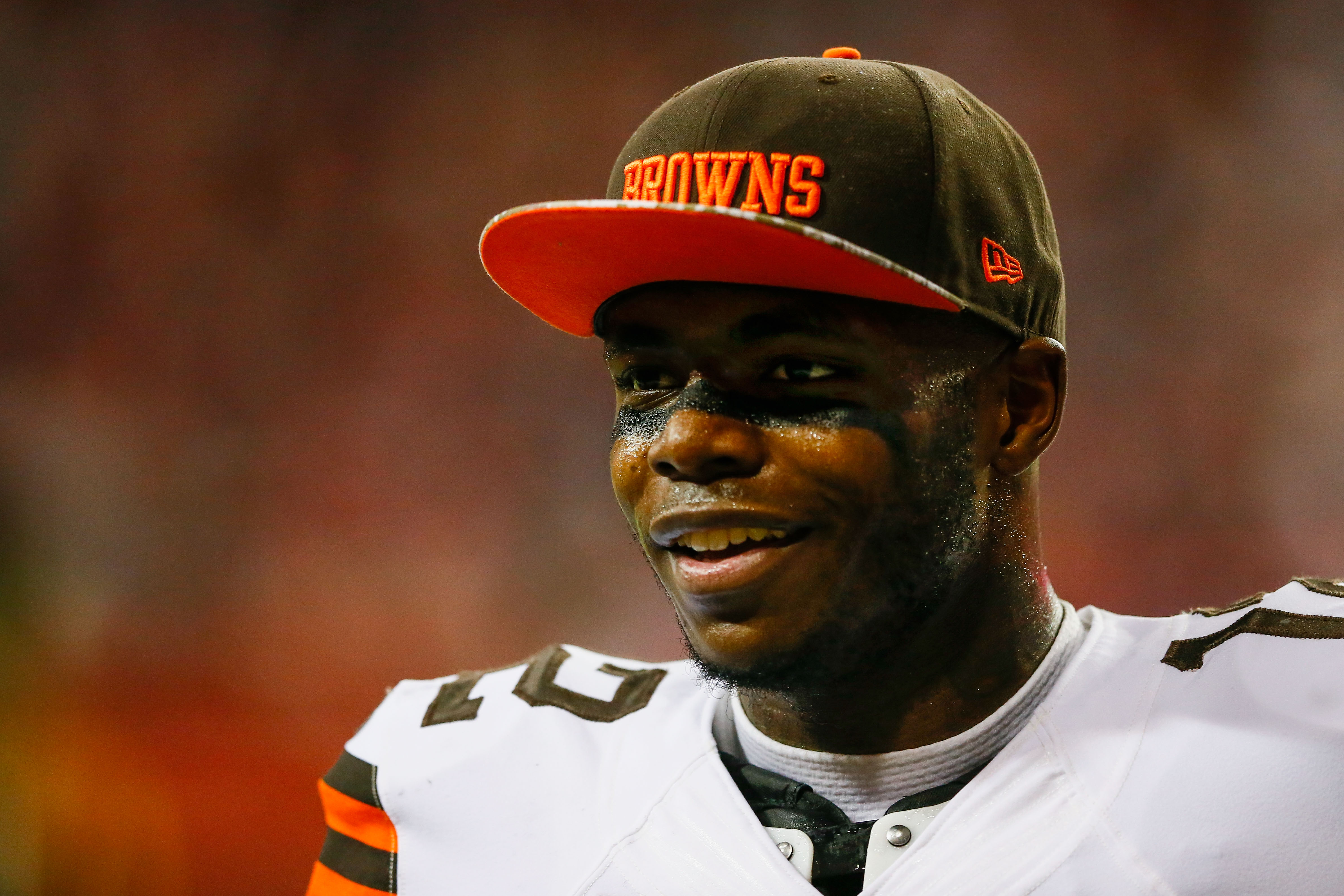
Browns' Josh Gordon To Enter Rehab -
Oct 01 2016
Heavyweight boxing champion Tyson Fury tests positive for cocaine -

Oct 01 2016
NYC's iconic Carnegie Deli is closing at the end of the year -

Sep 30 2016
ICICI Bank slips after weak debut of insurance subsidiary -
Sep 30 2016
Kohli hints at end to India's dogged DRS resistance