
Health
Top Stories
Oct 01 2016
Clinton visits Iowa as early voting gets underway
Sep 30 2016
Pier 1 Imports, Inc. (NYSE:PIR) Analytical Report
Sep 30 2016
Russia says it would support 48-hour truce in Syria's Aleppo
Sep 30 2016
India to Meet WTO to Withdraw MFN status from Pakistan
Sep 30 2016
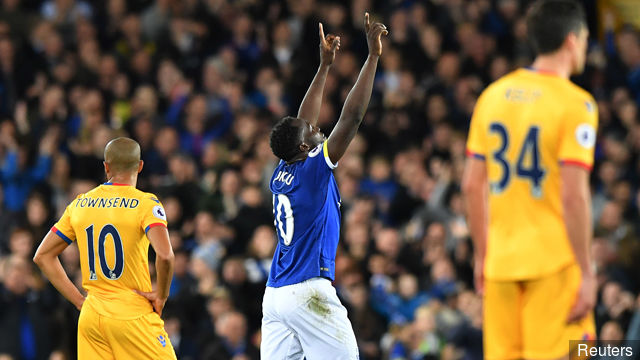
Sakho outburst has been dealt with - Klopp
Latest News
-
Oct 01 2016
Heavyweight boxing champion Tyson Fury tests positive for cocaine -

Sep 30 2016
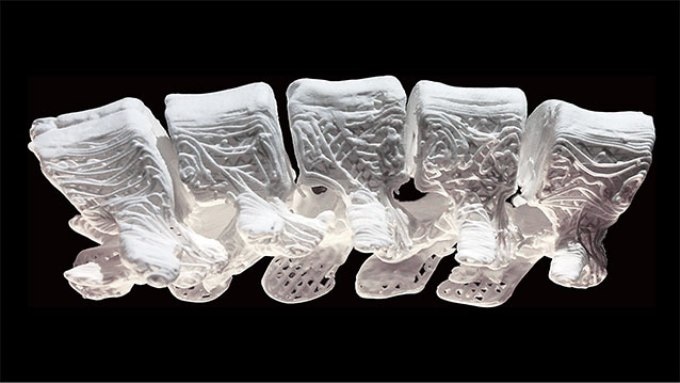
ESA's Rosetta Orbiter to Crash Land into Comet -
Sep 30 2016
Senate votes to override September 11. bill -
Sep 30 2016
Air Berlin confirms Lufthansa Group leasing plans; job cuts -
Sep 30 2016
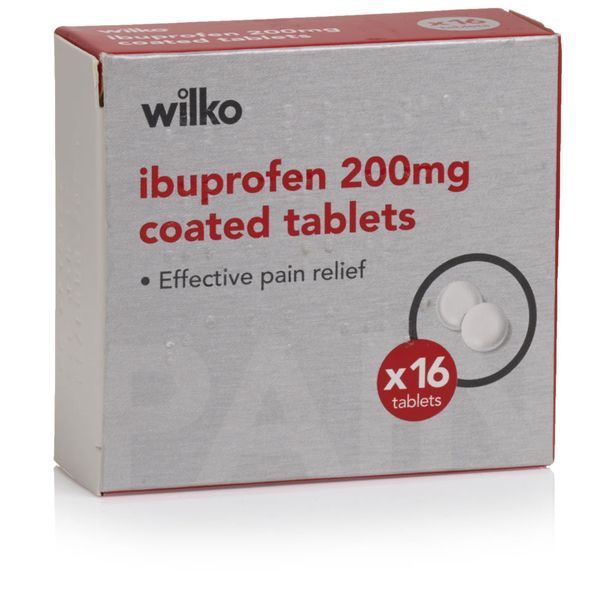
Common prescription painkillers linked to increased risk of heart failure -
Sep 30 2016
Kohli hints at end to India's dogged DRS resistance -
Sep 30 2016
Social media documents New Jersey train crashing into station during rush hour -
Sep 30 2016
Could a President Trump reverse Obama's regulations on 'Day One'? -
Sep 29 2016
Samsung says replacements available for recalled Note 7 -

Sep 29 2016
Massive typhoon hits eastern China after killing 4 in Taiwan
Other News
-

Oct 01 2016
Browns' Josh Gordon To Enter Rehab -

Oct 01 2016
Lady Gaga will perform during Super Bowl halftime show -
Oct 01 2016
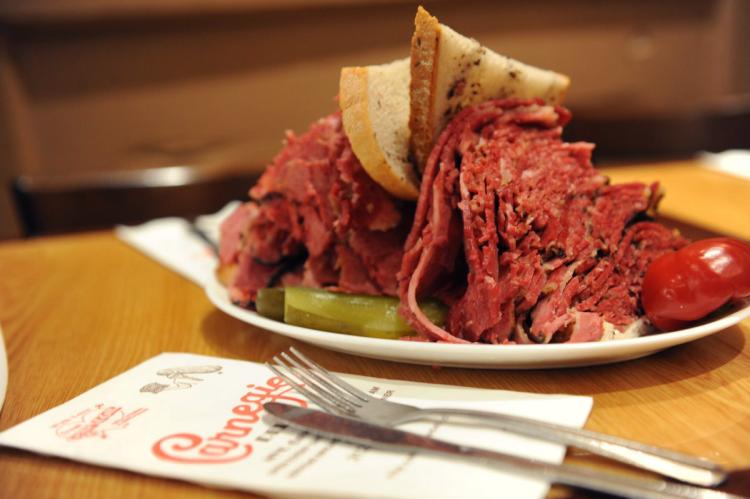
NYC's iconic Carnegie Deli is closing at the end of the year -
Sep 30 2016
Indian politicians unconvinced over surgical strike briefing -
Sep 30 2016
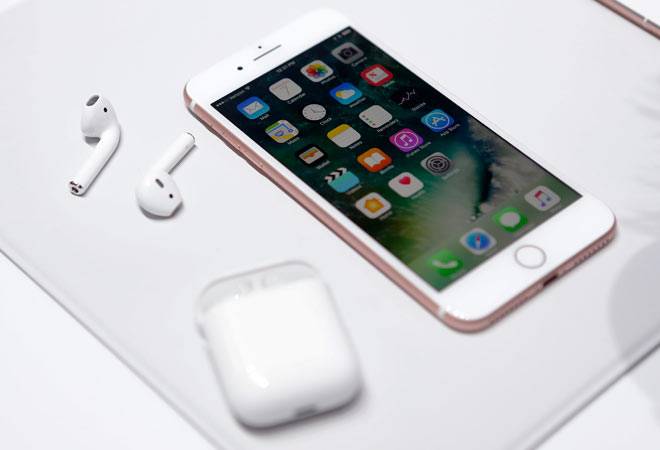
IPhone 8 already in the works: Apple developing hardware in Israel -

Sep 30 2016
ICICI Bank slips after weak debut of insurance subsidiary -
Sep 30 2016
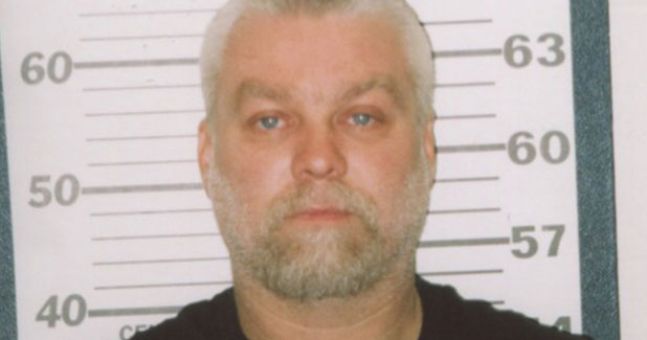
'Making A Murderer's Steven Avery & His Fiancée Sit D… -
Sep 30 2016
Allo, Google's Intelligent Messaging App, is Set To Be Launched This Week -
Sep 30 2016
TSX up slightly while United States markets and loonie down -
Sep 30 2016
Tom Brady's latest Facebook post gives fans chance to -

Sep 30 2016
Authorities: School shooter killed father before rampage -

Sep 29 2016
Official Trailer For "Justin Timberlake And The Tennessee Kids"